
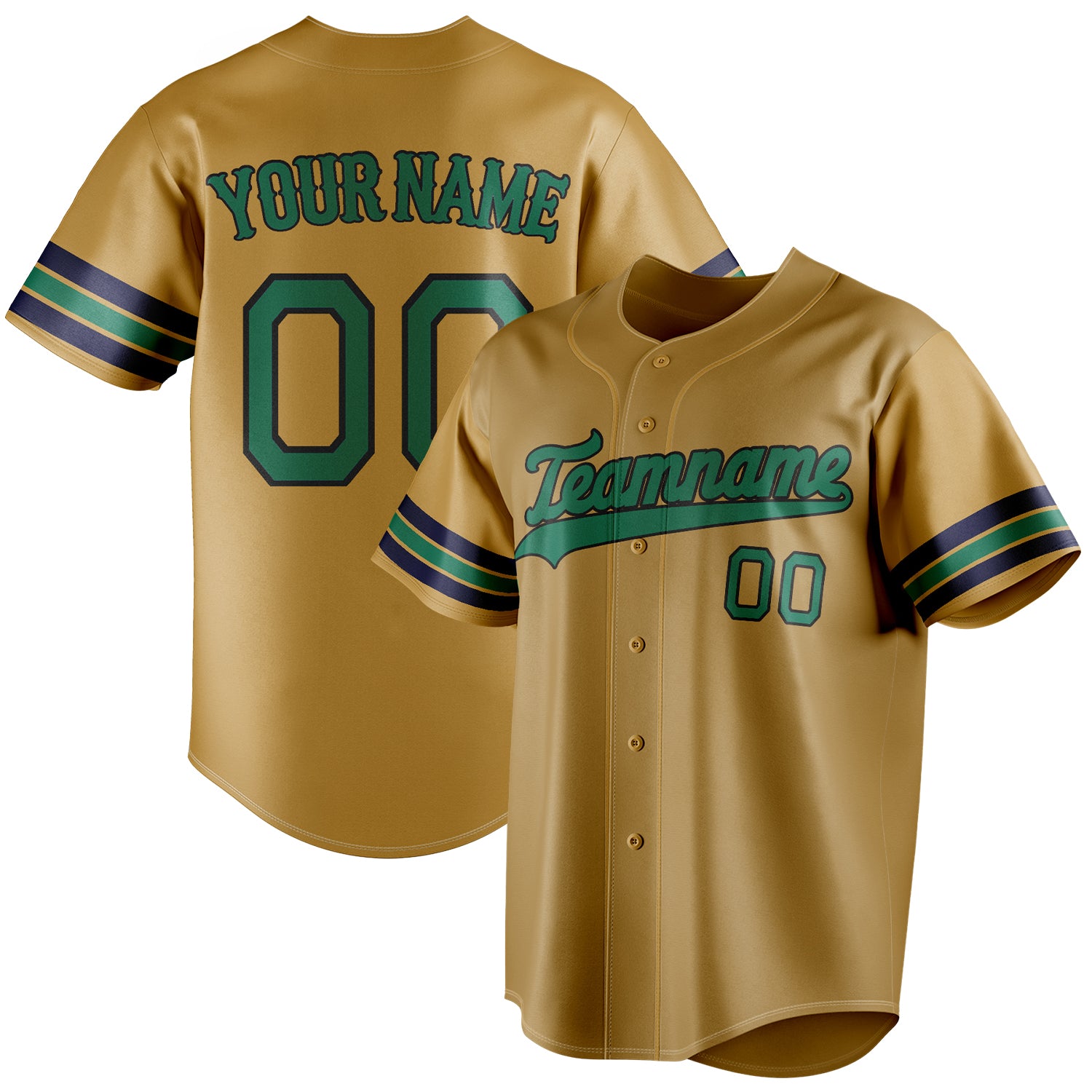
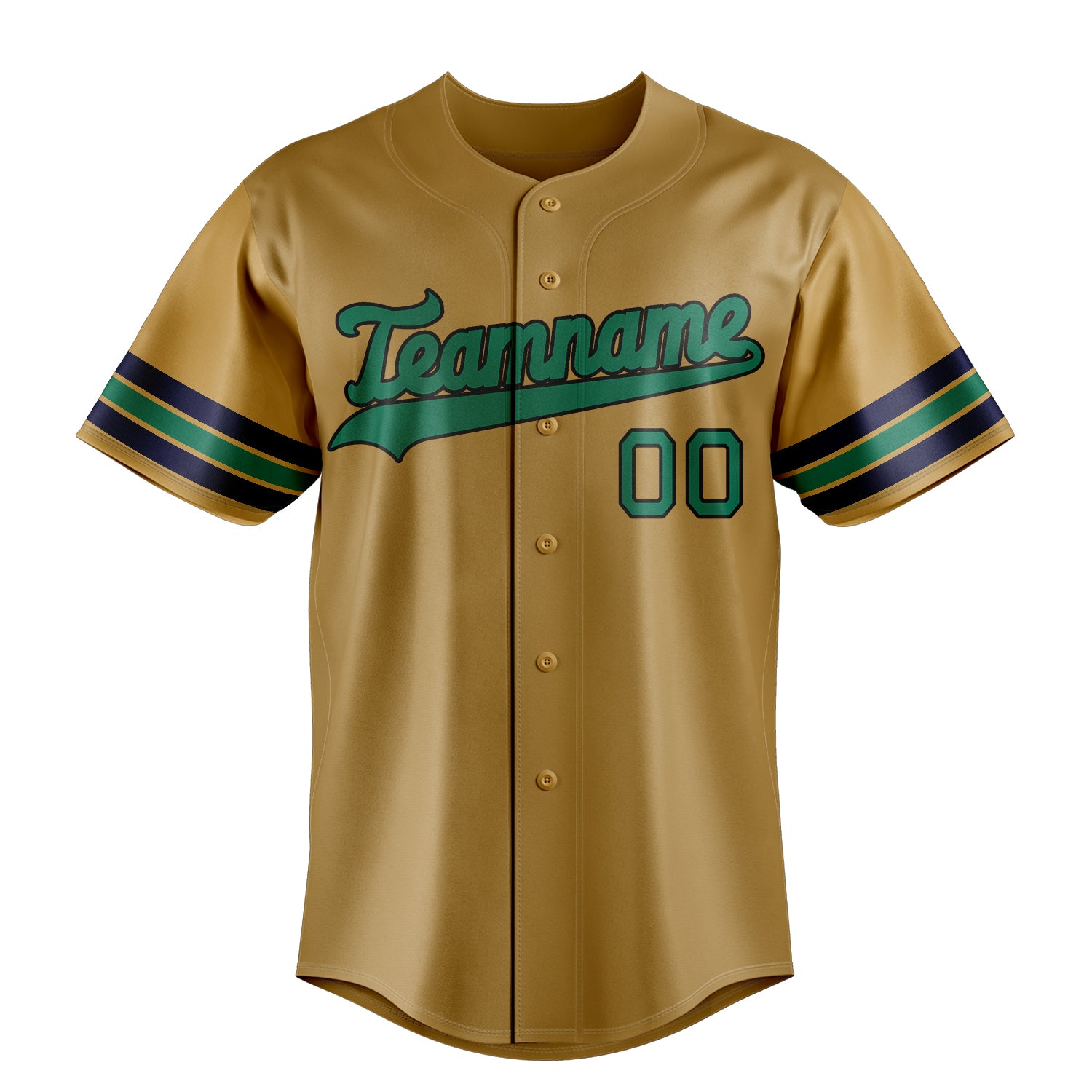

In the modern sports and fan world, a custom-designed jersey is more than just a piece of clothing. This guide is for anyone who wants to know how to personalize their football jerseys in 2025—step by step, with practical advice and clear tips. Whether for team uniforms, fan merchandise, or as a gift: if you want to buy football jerseys or plan to buy them at a good price, a well-thought-out process is essential. In this article, we'll cover the entire process—from the design phase and production decisions to shipping and delivery.
We use three key terms as a guide: football jerseys, buying football jerseys, and buying football jerseys cheaply. At the same time, we offer you valuable background information from a user's perspective. After reading this, you'll know how to get your own personalized jersey with manageable effort—optimizing costs, quality, and delivery times.
1. Why an individual jersey makes sense in 2025
1.1 Strengthening identity and community
A personalized football jerseys It expresses belonging—be it in an amateur club, a leisure group, or among fans. Those who wear their own logo, number, or name feel a stronger connection to the team. This psychological effect fosters motivation and team spirit.
1.2 Differentiation from the mass market
Many jerseys are mass-produced – but a custom-designed football jersey will make you stand out. And if you want to buy football jerseys, the direct path to personalization is often just a few clicks away. This way, you avoid wearing the same jersey as many other fans.
1.3 Economic planning: cheap doesn't necessarily mean bad
A common goal is to buy football jerseys at a good price. But cheap doesn't automatically mean lower quality—it's about the relationship between material, workmanship, quantity, and customization effort. This guide will help you avoid hidden costs.
2. Preparation: before the design process
2.1 Clarify target group and intended use
Before you even think about a football jersey: Who is the jersey intended for? Players, coaches, fans, or as merchandise? Material requirements change depending on the target group:
-
For active use: breathable jerseys, moisture management, durable printing techniques
-
For collectors or fans: Focus on appearance and attention to detail.
-
Ideal for bulk purchases to reduce costs, especially for clubs looking to buy football jerseys.
2.2 Realistically estimate the number of units
Quantity significantly influences price and production options. Those ordering only a single football jersey usually pay higher setup costs. Conversely, those ordering more than 20 items often qualify for tiered pricing and can purchase football jerseys at a lower price.
2.3 Define budget and deadline
Set yourself a clear upper limit and a realistic timeframe. If you plan too late, you risk express surcharges or compromises in production.
3. Design phase: Step by step to your dream jersey
3.1 Inspiration and Moodboard
Gather references: colors, cuts, elements from club logos, or trends in sports. In this phase, your football jersey design will take shape visually.
3.2 Using the layout and template
Many providers offer digital templates.The following is important:
-
correct pruning
-
Consider seam zones
-
Pay attention to pressure areas (chest, back, sleeves)
If you plan to buy football jerseys later, avoid layout errors that could lead to undesirable results during printing.
3.3 Typography and Numbers
Choose a clear font and ensure sufficient contrast. Numbers should remain legible—a font that is too small will not be visible from a distance. For large orders, the supplier may suggest a standard font.
3.4 Logo and sponsor placement
Club logo, sponsor, or slogan? Make sure you use correct vector files (SVG, AI) instead of pixel images (JPEG). This will ensure your football jerseys remain perfectly sharp. The supplier often provides information on the maximum size and placement.
3.5 Color selection && color dispersion
Use the Pantone system for exact colors whenever possible. Standard CMYK outputs often vary in print, which is why clubs that buy multiple football jerseys should pay particular attention to consistent colors.
3.6 Proof and correction loop
Have a digital or physical sample jersey (proof) sent to you before production begins. This is your last chance to correct printing errors, incorrect sizes, or color variations.
4. Production: Materials, printing methods and quality checks
4.1 Material Selection
For your football jerseys, you typically find:
-
Polyester functional material for sports use
-
Mesh or net fabrics for good air circulation
-
Durable blended fabrics for training and leisure jerseys
Pay attention to the paper weight (e.g., 120 g/m² vs. 150 g/m²) and material quality. Those who use a lot of materials in their club... buy football jerseys If you want to, you should test samples.
4.2 Overview of printing technologies
-
Sublimation (screen/thermal printing): ideal for full-surface designs, colors are pressed into the material, particularly durable
-
Transfer printing (flock/flex): Individual applications such as numbers or sponsor logos
-
Direct-to-garment (DTG) printing: high-quality, good for small quantities, but often more expensive
-
Embroidery (optional): high-quality look, but rather limited in level of detail.
Depending on exactly what you want, many providers combine different printing methods on the same football jersey.
4.3 Quality controls in production
Important criteria:
-
correct print placement
-
Color stability (wash tests)
-
Seam strength
-
Size consistency across different jerseys
Ask the supplier for photos of the quality control or even videos of the testing process.
4.4 Production duration and buffer planning
Typical timeframe:
-
Individual pieces/small series: 7–14 days
-
Medium-sized orders: 14–21 days
-
Large production runs: 3–4 weeks
Always plan in a buffer in case of delays or material shortages — especially if you want to buy a football jersey and have to keep to planned handover dates with your club.
5. Logistics && Shipping: until the finished jersey arrives at your door
5.1 Packaging options
Make sure your football jerseys are packaged safely:
-
Individual packaging in polybag
-
Boxes with dividers for large orders
-
Moisture and wrinkle protection
The packaging should also look good if you're going to distribute the jerseys directly to club members or fans later on.
5.2 Shipping methods && Costs
Depending on size, weight and distance:
-
Standard shipping
-
Express shipping (for an additional fee)
-
Freight forwarder for pallet shipping of large quantities
A supplier that helps you buy football jerseys cheaply often offers subsidized shipping prices for team orders.
5.3 inches && international delivery
If you ship internationally, check customs regulations, taxes, and any import duties. A good supplier will handle these formalities or explain them clearly.
5.4 Tracking &shipment tracking
Request a tracking number or a tracking system so you can easily monitor the shipping status. This is essential, especially for large orders (like ordering a lot of football jerseys), to ensure timely delivery.
6. After receipt: Inspection, distribution, feedback process
6.1 Inspection upon delivery
Once the jerseys arrive, check:
-
correct size distribution
-
Quality and clean workmanship
-
possible color variations
-
Order completeness
Note down any defects immediately and document them (photos, videos) in order to make a claim.
6.2 Distribution to carriers/fans
Plan a structured distribution, e.g., using numbered lists or stations. This will prevent mix-ups and ensure that everyone gets the correct football jersey.
6.3 Gather feedback && Service Improvement
Collect user feedback, e.g.:
-
Wearing comfort
-
longevity
-
Washing behavior
Use the feedback to optimize future print runs—whether you're outsourcing the purchase of football jerseys or planning them yourself. This iterative approach ensures that you get closer to perfection with every order in the long run.
7. Cost optimization: budget cleverly when buying jerseys
7.1 Comparison of different providers
Not every provider can help you, Buy football jerseys at low prices to be able to. Compare:
-
Price per jersey
-
Setup costs
-
Tiered pricing
-
Additional costs (e.g. shipping, corrections)
An Excel spreadsheet can be helpful here.
7.2 Make conscious choices regarding materials and printing
You can often save money if you:
-
choose a lighter functional material
-
instead of sublimation, a more cost-effective transfer technique is used.
-
You choose solid color designs instead of elaborate color gradients.
This way you can buy better football jerseys without paying for unnecessary extras.
7.3 collaborations with sponsors && funding
Clubs can attract sponsors who will finance part of the cost of the football jerseys. Municipal funding or crowdfunding are also options. This way, the goal of being able to buy football jerseys can be achieved without financial assistance.
7.4 Ordering in larger lots
The larger the quantity, the lower the price per unit. If you need team or fan jerseys anyway, plan your order together with other buyers. This way, you can buy football jerseys cheaply without compromising on quality.
8. Case study: how a club successfully implemented its jerseys in 2025
8.1 Initial situation
An amateur club planned to personalize 50 jerseys — with the club logo and numbers. The goal was: to buy football jerseys at a fair price, without sacrificing quality.
8.2 Design and order placement
The club gathered examples, selected a supplier with template support, and requested several quotes. Thanks to tiered pricing, the club was able to purchase football jerseys at a good price and set up a proofing process.
8.3 Quality and Shipping
The club received the delivery after approximately 18 days — all sizes were correct, printing was perfect. The packaging was individually protected. Thanks to shipment tracking, the entire process was traceable.
8.4 Feedback and next round
Users (players, members) praised the breathability and color vibrancy. The club used the feedback to make the next order even more efficient — and is now planning a new jersey release in the fall.
This practical example shows: With good planning and a conscious focus on costs and quality, you can achieve your goal: football jerseys, buying football jerseys, or even buying football jerseys cheaply.
9. Tips &Tricks for a mature result
-
Start early (at least 8 weeks before your desired delivery date)
-
Request sample copies before ordering a large number of football jerseys.
-
Pay attention to digital proofs in original size.
-
Get several quotes — including from abroad.
-
Negotiate unit prices and setup costs when buying football jerseys
-
Avoid using photodynamic therapy as the sole technique in sports applications.
-
Photograph each production step (mock print, final inspection)
-
Pack jerseys securely to prevent damage during transport.
-
Utilize subsidies for clubs or sponsorship deals.
-
Collect and use feedback for the next order round.
10. Conclusion: Your path to the perfectly personalized jersey
With these structured steps — preparation, design, production, logistics, testing &With feedback, you create a process that not only allows you to buy football jerseys, but also to buy them affordably without sacrificing quality. The key lies in planning, conscious selection, and quality control. This way, you're not just wearing a jersey, but also your identity, pride, and innovative spirit—making a statement for your community. Your very own path to "your 2025 jersey"—here it is.


